When shopping for CBD products, one of the most critical pieces of information often overlooked by consumers is the hemp source. Knowing where hemp is grown for your CBD oil or product not only provides insight into the product’s quality, but it also speaks volumes about the company’s CBD transparency and commitment to safety.
As a consumer health writer with nine years of experience scrutinizing wellness products and retail claims, I’ve developed a keen eye for identifying red flags — and hemp origin is near the top of my checklist. This comprehensive guide will help you confidently locate hemp source information on any CBD product page, understand why it matters, and what to look out for when it comes to extraction methods and contamination risks.
Why Is Hemp Source Transparency Essential?
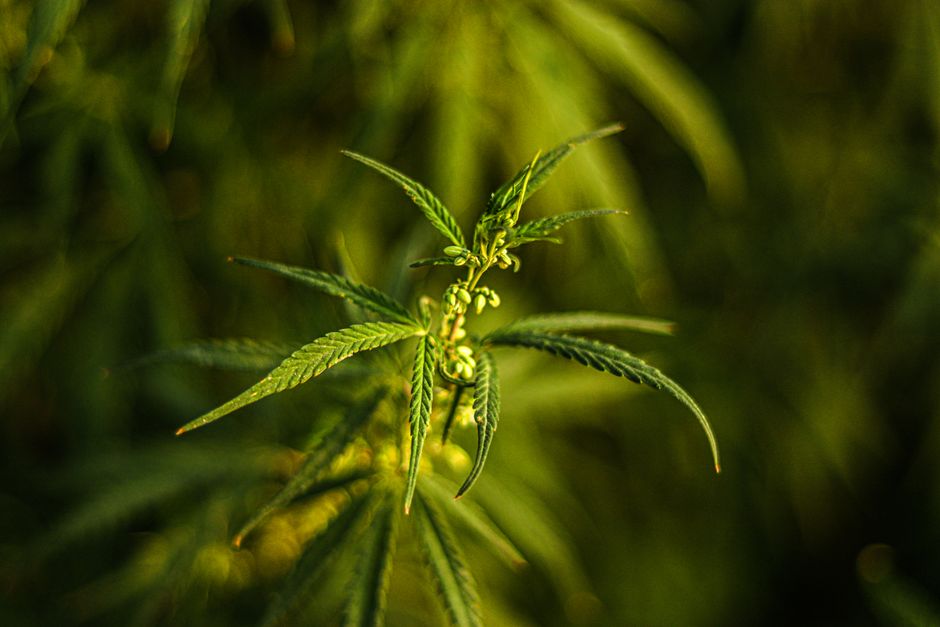
The hemp plant absorbs nutrients and minerals from the soil, but it can also absorb harmful contaminants such as heavy metals, pesticides, and solvents depending on where and how it is grown. Because of this, the quality of the soil, water, and farming practices used in hemp cultivation directly impacts the purity and potency of the final CBD product.
When companies openly disclose their hemp origin, it builds trust and accountability. Consumers should be able to answer the question: Where was this hemp grown? If you can’t find this info easily, it’s a red flag. Reliable brands want you to see where their plants are sourced because they are confident in the quality.
- Clean Growing Conditions Reduce Contamination Risk: Hemp grown in contaminated soil can lead to CBD products laced with toxins. Transparency protects your health. Supports Ethical and Sustainable Farming: Knowing the hemp origin allows you to support farms with sustainable practices and fair labor. Improves Product Consistency: Different regions have different strains and growing conditions that affect cannabinoid profiles.
Where to Find Hemp Source Information on the Product Page
Brands keen on transparency will typically list hemp source information in one or more of the following locations on their product pages:
Product Description Section: Many brands mention the origin of hemp, e.g., “Made from organic hemp grown in Colorado” or “Sourced from European farms.” “About Our Hemp” or “Our Farms” Tabs: Some websites have dedicated pages or expandable sections providing farm details, partner cultivators, and geographical information. Third-Party Lab Results (COA): These Certificate of Analysis (COA) style PDFs usually include batch-specific information and sometimes hemp origin or testing labs that specify it. Embedded Issuu Reader or PDF Viewers: Some brands integrate interactive documents that showcase their testing reports and farms, enhancing transparency.Spotting Hemp Source in the COA
I always check the third-party lab results first, and while most COAs focus on cannabinoid potency and heavy metals testing, some also indicate the farm or hemp source. Here are tips to spot it:
- Look for references to a grower or cultivator name/address. Check test lab accreditation and contact info; reputable labs often verify hemp origin claims. If you see a batch number, cross-reference it with the hemp source claim on the product page; mismatches are a big warning sign.
The Importance of Clean Growing Conditions
Hemp’s ability to absorb contaminants means that soil quality and farming methods are paramount. Avoiding contaminated growing areas is crucial to ensuring CBD oil purity.
Some of my key red flags when reading product pages and COAs include:
- No mention of organic or pesticide-free certifications. Vague wording like “grown in the USA” without specifying a state or farm. Lab tests that don’t include heavy metals or pesticide screening.
When sourcing hemp, regions with stringent agricultural regulations and clean air/water standards—such as Colorado, Oregon, or parts of Switzerland—are often safer bets. Equally, European hemp farms adhering to EU regulations can be excellent sources.
Extraction Methods and Their Impact on Quality
Extraction technique significantly affects the safety and quality of CBD products. Transparency about extraction methods is just as vital as knowing the hemp source.
CO2 Extraction: Gold Standard for Purity
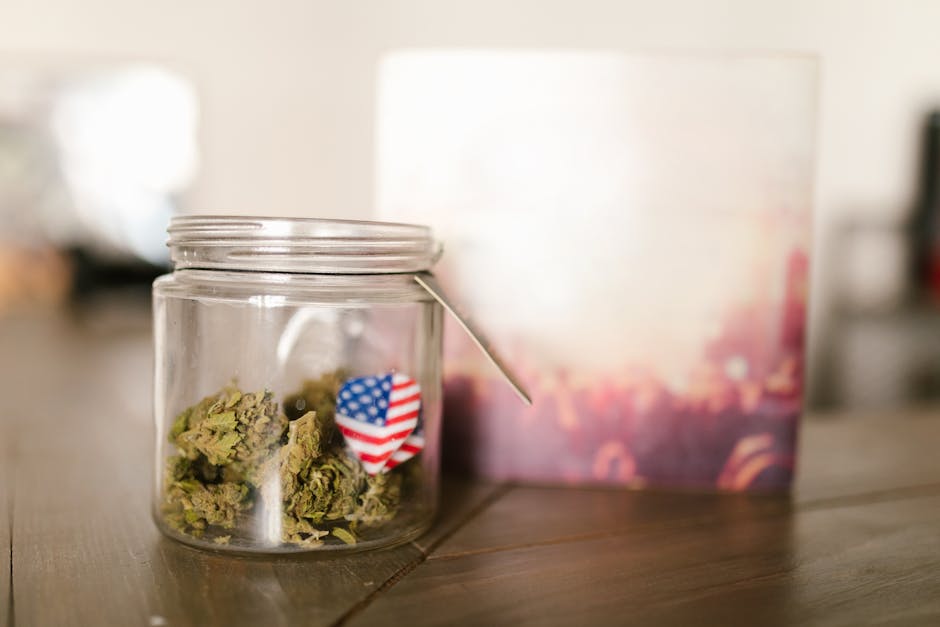
CO2 extraction is widely regarded as one of the cleanest methods because it uses carbon dioxide under pressure and low temperatures to isolate cannabinoids without chemical solvents. This method preserves more terpenes and results in a purer extract with fewer contaminants.
Brands that use CO2 extraction typically highlight this on their product pages as a selling point, and it pairs well with transparent hemp sourcing to ensure overall product integrity.
Ethanol Extraction: Trade-Offs to Consider
Ethanol extraction is a less expensive and faster method but carries trade-offs. While it can produce full-spectrum extracts, if not done properly, residual solvents and chlorophyll can make the product less pure or harsh in taste.
This method requires additional purification steps, and less transparent brands often omit or gloss over extraction details. I note any product page that evades this transparency immediately.
How to Use the Issuu Reader to Verify Lab Results and Hemp Origin
Some companies embed their COAs or farm profiles using the Issuu reader, an interactive online document viewer. This tool enhances transparency by letting you:
- Read detailed, official lab reports without downloading clunky PDFs. Zoom into specific sections, such as hemp source or test results. Verify batch numbers and testing dates to ensure recent, relevant data.
When you see this embedded on a product page, it’s a good sign. However, always verify that the documents are actual batch-specific COAs rather than generic or outdated reports.
Summary: Your Checklist for Hemp Source Transparency
Transparency Element What to Look For Red Flags Hemp Source Location Clear mention of farm location, region, state, or country Vague terms like “domestic” or none at all Growing Conditions Organic certifications, pesticide-free claims, clean soil info No certifications, missing heavy metals/pesticide tests Third-Party Lab Results (COA) Batch-specific documents showing cannabinoid profile and contaminants Generic lab reports, outdated PDFs, missing test parameters Extraction Method Transparency Clear statement of CO2, ethanol, or other extraction processes Omissions, misleading language, or vague “professional extraction” claims Use of Issuu or Embedded Readers Interactive access to lab reports with zoom and search features Broken links, outdated documents, PDFs without batch infoFinal Thoughts
Finding where hemp is grown on a CBD product page is more than just trivia—it’s a vital part of assessing product quality and CBD transparency. As a consumer, you have the right to demand clear and verifiable information about your hemp source, extraction methods, and lab testing.
When brands hide this information or rely on vague wording, I immediately question their products’ legitimacy. On the flip side, https://pembrokeshire-herald.com/144880/how-to-spot-high-quality-cbd-products-before-you-buy/ brands that openly share detailed hemp origin, use reliable extraction techniques like CO2, and provide batch-specific lab results through clear COAs or Issuu embeds demonstrate integrity and respect for their customers.
Next time you add CBD to your cart, take a moment to locate the hemp source—your health and peace of mind depend on it.