I spent nine years working in the belly of the NHS. I saw how the system works, where it succeeds, and—more importantly—where it fails the people who live with chronic, invisible symptoms every single day. The advice is almost always the same: "Keep active," "Manage your stress," or the most frustrating piece of advice in existence: "Just push through it."
Let’s be clear: If you are living with long-term pain or fatigue, "pushing through" is a recipe for a crash. If your fuel tank is at 10%, trying to drive 50 miles isn't brave; it's a breakdown. Real recovery planning isn't about productivity; it’s about sustainability.
Here https://smoothdecorator.com/are-patient-communities-helpful-or-do-they-make-anxiety-worse/ is how you shift from "survival mode" to a genuine recovery-focused routine, even when the world expects you to be "normal."
1. Pacing and Energy Budgeting: Your New Financial Plan
Think of your daily energy as a strictly limited bank account. You cannot overdraw. If you spend 100% of your energy before 2:00 PM, you will be paying interest on that debt for the next three days in the form of a symptom flare.

Pacing is the art of breaking tasks into bite-sized segments with mandatory rest in between. It is not procrastination. It is active symptom management.
- The 50% Rule: Whatever you think you can do today, plan for 50% of that. If you feel good, stop at 50%. The extra energy you save is your safety net for tomorrow. The 2-Minute Habit: On your worst days, don't aim for a "workout" or a "deep clean." Aim for two minutes. Two minutes of gentle stretching, two minutes of sorting the junk mail, two minutes of meditation. If you stop there, you have succeeded.
2. Flexible Routines: The "Too Tired to Think" Framework
The greatest enemy of a sick person is "Decision Fatigue." When you are already depleted, deciding what to eat or how to move can feel like solving a complex math equation. This is why you need a pre-written "Too Tired to Think" list.
These are low-effort, low-cost activities that keep you moving or fed without requiring brainpower. You don't decide what to do; you look at the list and pick the path of least resistance.
The "Too Tired to Think" Recovery Table
Category The 2-Minute Low-Energy Version Purpose Nutrition A pre-mixed protein shake or a handful of nuts. Blood sugar stability without cooking. Movement Ankle circles and deep breathing while lying down. Circulation without vertical fatigue. Environment Clear one square foot of your bedside table. Visual calm/reducing sensory input. Hydration Drink one glass of water with a pinch of salt. Electrolyte balance for fatigue.3. Leveraging Modern Tools for Symptom Management
We live in an age where the barrier between patient Get more info and expert is shrinking. You don't have to navigate this alone, and you don't have to rely on guesswork.
Search Engines as Research Assistants
Most people use search engines to doom-scroll for symptoms. Use them as an index for NICE (National Institute for Health and Care Excellence) guidelines instead. When looking for management strategies, add "NICE guideline" to your search query. You want evidence-based, clinical pathways, not someone’s "miracle" supplement blog.
Telehealth Systems and Specialist Clinics
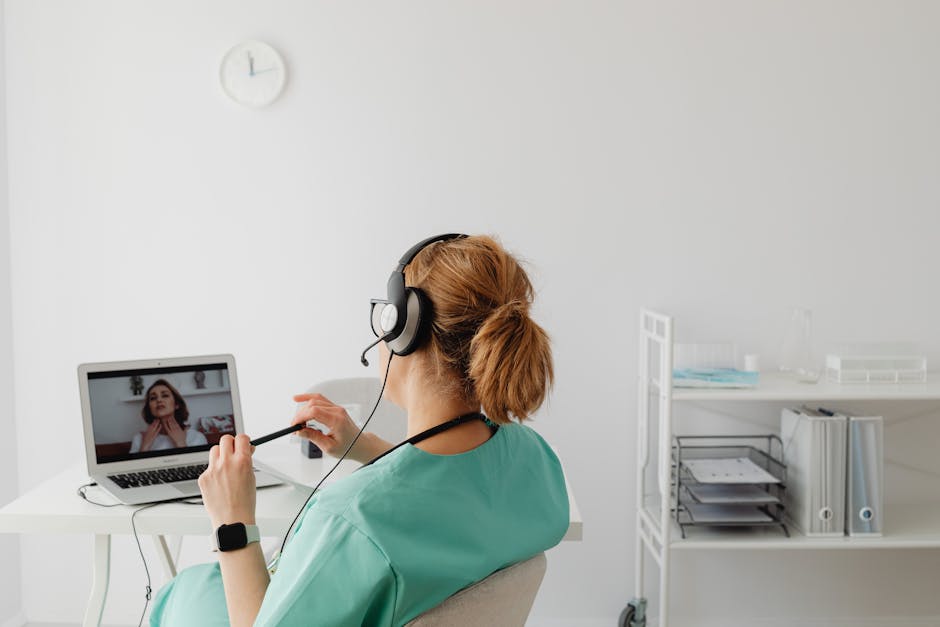
If you are struggling with pain or chronic inflammation, traditional primary care often hits a ceiling. This is where Telehealth systems have changed the game. You can now access specialists—including those at clinics like Releaf—who understand that cannabis-based medicine is a valid part of a broader, recovery-focused wellness plan for many patients. Using a clinic that operates under CQC regulations ensures that your treatment is logged, monitored, and adjusted based on your actual data, not a guess.
4. Sleep Consistency and Evening Wind-Down
Sleep is where the body repairs itself, but when you are in pain, sleep is often the first casualty. A "recovery-first" evening doesn't start at bedtime; it starts two hours before.
- Digital Sunset: Phones emit blue light that tricks your brain into thinking it's noon. Use the "Night Shift" or "Eye Comfort" settings, or better yet, put the device in another room at 9:00 PM. Nervous System Regulation: If you are "tired but wired," your nervous system is stuck in fight-or-flight mode. Try "Box Breathing" (Inhale 4s, Hold 4s, Exhale 4s, Hold 4s). It literally signals your vagus nerve to chill out. Temperature Control: Your core temperature needs to drop to initiate sleep. If your room is too hot, your body stays in a state of alert. Keep the bedroom cool, even if you have to use an extra blanket.
5. Why "Pushing Through" is Not a Strategy
I cannot stress this enough: The advice to "just push through" is based on the idea that health is a product of willpower. It isn't. Health is a biological state.
When you ignore your body's signals to rest, you are essentially borrowing from your future self. That loan comes with high interest. Recovery planning is the act of treating yourself like a high-value asset. You wouldn't run a high-performance engine on empty, and you shouldn't run your body that way either.
The Bottom Line
Recovery-focused wellness is not about being "better" by next Tuesday. It is about building a life that accommodates your current reality while slowly, gently, and consistently moving toward a baseline that feels stable. Use your telehealth systems to build a team that listens. Use NICE guidelines to filter out the noise of fad diets and pseudoscience. And above all, use your 2-minute list to protect your energy when the tank hits empty.
You aren't failing because you can't keep up with a standard schedule. You are succeeding because you have the courage to build your own.