The wellness industry has expanded far beyond the aisles of vitamin shops and local gyms. Today, "wellness" encompasses everything from continuous glucose monitors (CGMs) and medical cannabis vs traditional painkillers personalized DNA testing to mental health apps and biohacking protocols. While this expansion offers more tools for health management, it has also created an overwhelming landscape of conflicting claims, aggressive marketing, and a general loss of clarity.
As a health writer who has spent nearly a decade dissecting medical research, I’ve noticed a troubling trend: the rise of influencer-style certainty. When someone claims a product is a "miracle" or "essential for detoxification" without citing a single peer-reviewed paper, they aren't just selling a product—they are bypassing the essential safety checks that form the bedrock of good medicine. To bridge this gap, we must shift toward patient-focused content—communication that prioritizes the health consumer’s safety, autonomy, and understanding over conversion metrics.
The Shift: From Wellness Hype to Clinical Literacy
For years, wellness content has relied on vague, high-energy language designed to bypass our rational brain. My own running list of "marketing fluff" includes words like detox, superfood, optimize, cleanse, and revolutionary. When you see these words, the alarm bells should go off. In a clinical setting, a physician doesn't prescribe a "revolutionary cleanse." They prescribe a specific intervention based on a diagnostic need.
Patient-focused content demands that we translate complex science into clear explanations. It asks the writer to pause and consider: "Would this statement hold up in a clinic visit?" If a doctor wouldn't say it because they lack the data, it shouldn’t be on your blog, your social media caption, or the back of a supplement label.
The Demand for Transparency and Testing
Modern consumers are savvier than ever. They are asking about heavy metal testing, third-party certification, and ingredient sourcing. This is a massive win for public health. However, brands often respond with "transparency marketing"—using photos of green leaves or vague claims about "sustainably sourced" ingredients without providing the actual Certificates of Analysis (COAs). True transparency looks like providing a direct link to the latest test results for a specific batch of a product. It means acknowledging the safety guidance rather than burying it in fine print.
How to Pivot: Translating Research into Wellness Content
To write effective wellness content that is actually helpful, we need a new framework. The following table illustrates the difference between standard "influencer" marketing and a true patient-focused approach.

Navigating Information Overload: Social Media and Online Communities
Social media and online communities (like Reddit health forums or Facebook support groups) are double-edged swords. They offer community support, which is vital for chronic health management, but they are also breeding grounds for misinformation. As content creators, how do we approach these spaces?
1. Social Media: The "Stop-the-Scroll" Education
On platforms like Instagram or TikTok, the temptation is to offer quick fixes. Resist this. Instead, use these platforms to distill clear explanations of complex topics. If you are discussing a new trend like cold plunges or biohacking, lead with the evidence-to-date. If the research is in its infancy (as it often is with viral trends), say so. Patient-focused content means being honest about what we don’t know yet.
2. Online Communities: Moderating with Safety Guidance
If you are managing or participating in online communities, your role is to redirect members toward primary sources. When someone asks, "Is this supplement safe?", don't provide a personal opinion. Provide the resource: "Check the National Institutes of Health (NIH) database for interactions with your current https://bizzmarkblog.com/the-wellness-mirage-navigating-misrepresentation-in-the-online-health-market/ medications and consult with your prescribing physician." This is the ultimate safety guidance.
Ingredient Literacy: Moving Beyond "Clean" Labels
The term "clean" is perhaps the most problematic word in the current wellness market. It is subjective, scientifically undefined, and used to fear-monger about perfectly safe synthetic ingredients. Patient-focused content replaces "clean" with "informed."
- Ingredient Literacy: Explain *why* an ingredient is included. Is it a binder? A stabilizer? A preservative? There is nothing inherently wrong with science-backed additives if they serve a purpose and are deemed safe by regulators. Sourcing Scrutiny: Encourage readers to ask the hard questions. "Where was this botanical grown?" "What are the active compound concentrations?" If a brand cannot tell you, they don't deserve the consumer's trust. Dosage Awareness: Never skip the dosage. If you are writing about a vitamin, mention the Tolerable Upper Intake Level (UL). If you’re writing about a fitness routine, mention how to scale the intensity for beginners to prevent injury.
What Would This Look Like in a Clinic Visit?
I always return to the "clinic visit" test. If a patient walked into a doctor’s office holding a box of supplements, what would a good clinician do? They wouldn’t tell the patient to "optimize their flow." They would ask: "Why are you taking this? Have you checked for drug-nutrient interactions? Let's look at your baseline labs."
Wellness content should adopt this exact posture. We are not selling a lifestyle; we are providing information to help people make decisions that affect their actual biological health. That comes with a heavy dose of responsibility.
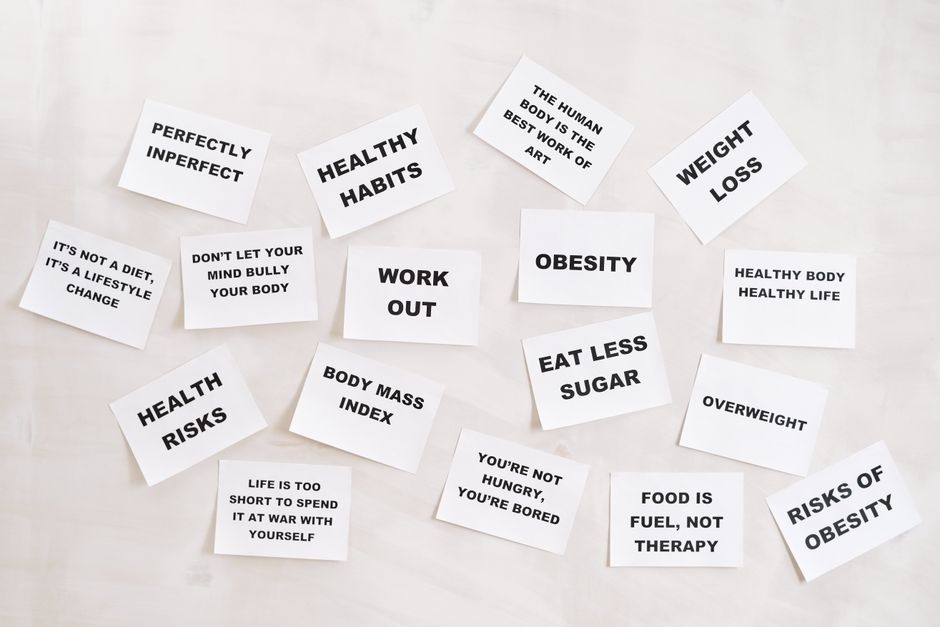
Conclusion: The Future of Wellness Content
The wellness market will continue to expand, but its longevity depends on trust. Consumers are getting tired of being "marketed to" and are starting to prioritize "being informed." By focusing on clear explanations, doubling down on safety guidance, and maintaining a patient-focused mindset, creators can help cut through the noise.
Next time you are drafting a post, ask yourself: If this were a label in a clinic, would a clinician be proud to hand it to a patient? If the answer is no, delete the fluff, add the sourcing, and start again. That is how we turn the "wellness industry" back into a tool for actual health.