In today’s healthcare environment, protecting patient privacy while maintaining robust security is a balancing act that clinics and medical suites face daily. Security CCTV is essential for safety, but it also poses risks of over-collection and potential exposure of sensitive information. That’s where Gallio PRO—an on-premises visual redaction and anonymization software—comes into play. It helps clinics minimize data, enforce privacy-safe workflows, and comply with legal requirements.
In this blog post, we'll explore exactly what Gallio PRO blurs automatically in security footage, and how proper camera placement, documented purpose, and role-based CCTV user management complement this technology for a privacy-safe clinic environment.
Understanding the Need for Data Minimization in Clinic CCTV
Ask yourself this: first, let’s clarify why data minimization is critical with clinic security cameras:
- Protect patient confidentiality: Security footage can capture faces, license plates, paperwork, ID badges, and other personal identifiers. Reduce liability: Excessive footage risks exposure of sensitive data in case of breaches or inspections. Regulatory compliance: Health data is subject to HIPAA and other privacy laws that limit unnecessary collection. Practicality: Reviewing huge amounts of footage can be overwhelming for staff.
Automated tools like Gallio PRO help by applying precise, automated blur faces in security video blurs only to sensitive information, supporting the principle of collecting footage strictly for the purpose intended.
What Does Gallio PRO Blur Automatically?
Gallio PRO leverages advanced image https://smoothdecorator.com/what-does-gallio-pro-blur-automatically-in-security-footage/ recognition and machine learning to auto-detect and blur sensitive elements in healthcare security footage. The key automated blurring features include:
Blur Type Description Use Cases Face Blurring Identifies and blurs human faces automatically, preventing direct identification. Patient and staff faces on reception or in waiting rooms, hallways. License Plate Blurring Detects vehicle license plates within camera view and conceals them. Parking lots, drop-off/pick-up areas. Document and Badge Obfuscation Detects visible sensitive paperwork, ID badges to blur or redact to avoid data leaks. Reception desks, exam rooms, areas with visible monitor screens or paperwork.Note: Gallio PRO operates on-premises which means all processing happens locally—ensuring no footage leaves your clinic’s secure system.

Why Use Automated Detection and Blurring?
- Consistency: Human editors can miss details, but automated detection scans every frame accurately and predictably. Speed: Saves hours of manual review by instantly anonymizing footage. Privacy compliance: Helps meet HIPAA and similar mandates by masking data without compromising safety.
Purpose-First Camera Justification: Why Are Your Cameras There?
Before adding or repositioning any cameras, ask yourself: What incident are we trying to solve? Purpose-first camera placement focuses your security budget and reduces over-collection:
Identify risk areas: Entrances, parking lots, reception desks where theft, violence, or unauthorized access could occur. Define the camera angle: A parking lot camera should capture vehicles and license plates—not patient waiting rooms. Limit unnecessary views: Avoid pointing cameras at exam rooms, paperwork, or monitors. Document purpose: Keep detailed records of each camera’s justified function, field of view, and any limits on collection.This documentation not only helps privacy governance but also supports audits and staff training.
Camera Placement to Avoid Over-Collection
Even the best software can’t compensate if your cameras are aimed incorrectly. Consider these practical guidelines:
- Angle cameras away from hardcopy paperwork and computer screens: Reception desks should focus on the doorway and visitor areas, not on patient charts. Maintain appropriate distances: Cameras should offer useful coverage but avoid zooming in so close they capture small personal details like faces or badges more than necessary. Use “soft zones”: Some systems allow you to mask or automatically blur specific regions in the field of view—great in spaces where sensitive information can’t be fully avoided. Regularly review the camera’s field of view: Ensure it aligns with your documented purpose and doesn’t start capturing unintended areas.
Example: Reception Camera Setup
DoDon’t Point Camera 2 at entrance door and visitor chairs Aim Camera 2 directly at the reception monitor or paperwork stacks Position wide enough to capture incoming threats but avoid close-ups of staff faces Cropping too close so badges and full faces become clearly identifiable Use soft blur zones if needed on paperwork trays in view Leave identifiable documents visible “just in case”Role-Based CCTV User Accounts: Named Users Over Shared Passwords
Gallio PRO and modern CCTV systems support role-based access control. This is a critical piece of operational privacy that clinics often overlook.
- Named user accounts: Each staff member who accesses footage has their own login with specific permissions. No shared passwords: Shared credentials make it impossible to track who viewed or exported video, increasing risk of misuse. Audit logs: The software logs each user’s activities, helping with incident investigations and compliance reporting. Least privilege principle: Reception staff might only view live feeds, while security managers have archive access.
Combining Gallio PRO’s automated blurring with strict user roles creates multiple layers of privacy defense.
Field-of-View Reviews and Documentation
Privacy-safe CCTV management is an ongoing process, not a set-it-and-forget-it project. Regular reviews keep your security cameras aligned with evolving clinic activities and compliance standards.
- Schedule quarterly FOV audits: Confirm cameras don’t drift or get moved accidentally into places they shouldn’t record sensitive data. Check effectiveness of auto-blur: Randomly sample footage to verify faces, plates, and documents are fully anonymized. Update camera purpose documentation: Reflect new policies, workflows, or physical changes in the clinic layout. Train staff: Review protocols for accessing footage and handling sensitive data.
Summary: How Gallio PRO Supports Privacy-Safe Clinic CCTV
Here’s a quick checklist of key takeaways:
Gallio PRO automates blurring of faces, license plates, and sensitive documents to protect privacy without sacrificing security effectiveness. Use purpose-first camera justification to install only what’s needed—reduce risk and save resources. Place cameras thoughtfully to avoid capturing sensitive areas unnecessarily. Enforce role-based CCTV user accounts to maintain tight control and traceability of footage access. Regularly review and document camera fields and blurring effectiveness to stay compliant and responsive.By combining intelligent software like Gallio PRO with privacy-conscious clinic operations, you create a safer environment for patients, staff, and your practice alike.
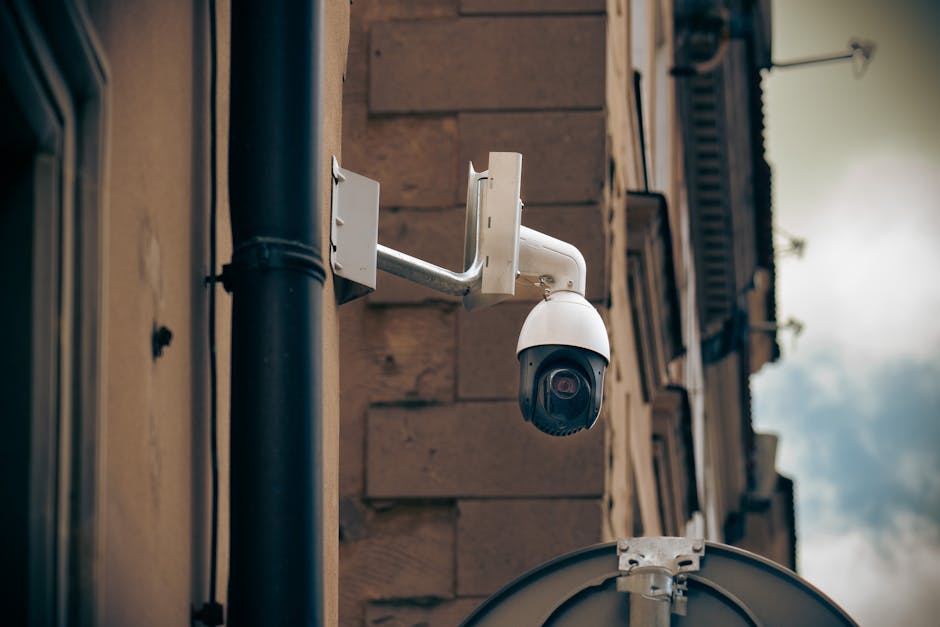
Need Help Reviewing Your Clinic’s CCTV Privacy Practices?
As a former clinic operations manager now consulting on privacy-safe workflows, I’m passionate about practical, actionable steps that fit into busy shifts—not impractical policies. If you want guidance on selecting, placing, or managing security cameras with privacy-first tools like Gallio PRO, get in touch — let’s make your CCTV work smarter, not harder.