For residents along Florida’s northeast coast—from St. Augustine to Palm Coast—understanding the connection between cockroach allergen levels and asthma is crucial.
When you hear that dust in a home contains 8 units per gram of cockroach allergen, it’s not just a number. This measurement reflects a tangible risk factor for asthma flare ups at home due to high roach allergen exposure. As a licensed pest control operator with over a decade of experience, I’ll break down what this means for your family's health, especially in our humid climate with persistent cockroach pressures.
The Role of Cockroach Allergen Proteins in Asthma
Cockroach allergens are proteins produced by cockroaches that can cause allergic reactions and worsen asthma symptoms. The two most significant proteins involved are:
- Bla g (from the German cockroach, Blattella germanica) Per a (from the American cockroach, Periplaneta americana)
Both proteins can accumulate in dust, especially in hidden cockroach infestations. When these proteins become airborne or settle on surfaces, they can trigger asthma symptoms such as wheezing, coughing, and difficulty breathing—particularly in children and sensitive individuals.
What Does 8 Units Per Gram Tell Us?
The “units per gram” measure is a gel bait for roaches standard used by researchers and healthcare professionals to quantify allergen concentration in dust samples. An 8 units per gram level indicates a substantial presence of cockroach allergen proteins.
Here’s what it means for asthma https://bizzmarkblog.com/is-it-true-cockroach-allergen-is-worse-in-southern-kitchens/ morbidity:
- Increased asthma exacerbations: Studies show that homes with allergen levels greater than 2 units per gram see higher rates of asthma attacks. At 8 units, the risk is significantly elevated. Persistent symptoms: Continuous exposure means chronic airway inflammation, making asthma harder to control. Higher healthcare use: Families may face more ER visits, medication use, and school absences due to severe symptoms.
Hidden Infestations and Persistent Allergen Dust
One big problem with cockroach allergens is their persistence in homes even when you don’t see live bugs. Allergen proteins can remain in dust for months after cockroaches die or are removed, particularly if thorough cleaning is not done.
Hidden infestations—often behind appliances, inside cabinets, or in wall voids—continue to deposit allergens into the environment. That’s why I always tell people to pull the fridge out and check underneath because these spaces harbor both pests and their allergens.
The Difference Between the “Palmetto Bug” and German Cockroach
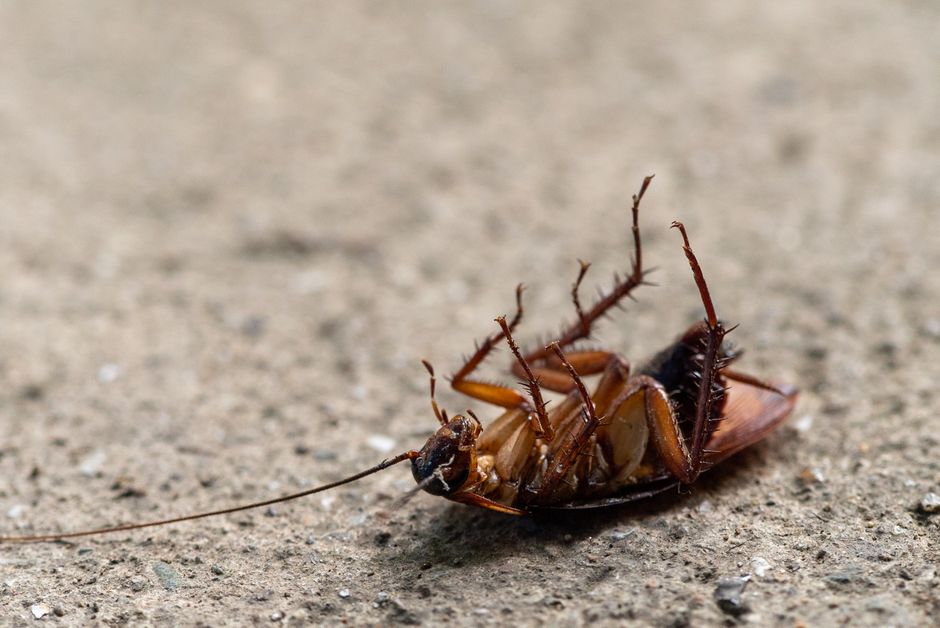
In Florida, many people call every large roach a “palmetto bug,” but that term strictly refers to the American cockroach ( Periplaneta americana). These big roaches typically live outdoors but venture inside during Florida’s >90% humid days year-round.
On the other hand, the smaller German cockroach ( Blattella germanica) prefers indoor habitats, reproduces faster, and is the primary culprit for high levels of Bla g allergen inside home dust.
Characteristic American Cockroach (Palmetto Bug) German Cockroach Size 1.5 to 2 inches 0.5 to 0.6 inches Habitat Mostly outdoor, likes warm/moist Indoor, kitchens and bathrooms Allergen Type Per a proteins Bla g proteins Impact on Asthma Lower indoor infestation risk but allergen still present High indoor allergen production and asthma flaresFlorida's Year-Round Humidity and Continuous Allergen Pressure
The year-round heat and humidity along Florida’s northeast coast create the perfect environment for cockroach populations to persist at high levels outside and inside homes. This results in a constant “outdoor to indoor” pressure:
American cockroaches thrive outside under mulch, in sewers, and around drains. They enter homes during warm nights or heavy rains. German cockroaches find refuge inside kitchens and bathrooms, multiplying rapidly. Both produce allergens that accumulate in dust.Dust with 8 units per gram allergen reflects ongoing infestation and poor allergen control—common in homes that don’t use proper cleaning and pest control.
How to Reduce Cockroach Allergen and Protect Asthma Health
Given the persistence of dust allergens even when roaches are not always visible, effective allergen reduction hinges on smart cleaning and pest control strategies. Here are my top recommendations:. It's not always that simple, though
1. Use a HEPA Filter Vacuum
Vacuum cleaners equipped with HEPA filters can capture tiny allergen particles that regular vacuums blow back into the air. Vacuum floors, carpets, and upholstered furniture regularly to reduce dust-borne allergens.
2. Wet-Wipe Surfaces Instead of Dry Dusting
I'll be honest with you: dry dusting simply disperses allergen powders into the air, making asthma worse. Instead, use damp cloths to wipe counters, shelves, baseboards, and areas under appliances like the fridge and stove.
3. Eliminate Roach Food and Water Sources
- Keep kitchen surfaces clean and free of crumbs. Fix leaky faucets and pipes to reduce moisture. Seal cracks and crevices to block roach entry points.
4. Call a Professional for Persistent Infestations
Pesticide foggers or “bug bombs” are a pet peeve of mine—they don’t work well and make allergen problems worse. Instead, use targeted professional treatments combined with habitat modification.

Summary: What Does 8 Units Per Gram Mean for Your Home?
Measurement Implication Recommended Actions 8 units per gram dust allergen concentration High risk for asthma morbidity and flare ups- Deep cleaning using HEPA vacuum and wet wipes Identify and eliminate hidden roach infestations Improve moisture control in home Consult pest control professional for treatment
Bottom line: if your home dust tests show cockroach allergen levels at or above 8 units per gram, it’s a serious warning sign for high roach allergen exposure that can drive asthma flare ups at home. Combined with Florida’s year-round humidity, constant outdoor pest pressure, and hidden infestations, managing both pests and allergens with the right cleaning and control methods is essential for healthier indoor air and better asthma outcomes.
Remember: before you think about buying another spray or fogger, pull the fridge out, wet-wipe the baseboards, and consider investing in a HEPA filter vacuum. Your lungs will thank you.