If you are a student in 2024, your life is likely managed almost entirely through a screen. You attend lectures via Zoom, manage your finances through mobile banking apps, and order groceries to your dorm with a few taps. It makes sense, then, that when you aren't feeling well, your first instinct isn't to cuindependent.com look up a local clinic in the phone book—it’s to search for a solution online.
The rise of digital-first healthcare isn't just a trend born out of necessity; it is a fundamental shift in how we access wellness. For students, this transition has been seamless, largely because it matches the UX-driven world we live in. But how did we get here, and why does this "virtual-first" approach feel so much more natural than the traditional waiting room experience?
The 2018 Pivot: A Legal Milestone for Modern Access
To understand why the current landscape looks the way it does, we have to look back at 2018. That year marked a significant legal shift in the UK regarding the prescription of certain specialist medications, most notably cannabis-based products for medicinal use. While this change was specific in its scope, it had a ripple effect that changed the landscape of private healthcare forever.
The legislation opened the door for patients to access treatments through specialist clinics that had previously been difficult, if not impossible, to secure through traditional channels. However, there was a catch: the law provided the *legal* framework, but it didn't necessarily provide the *logistical* infrastructure. Because these treatments were often highly specialized and required careful, ongoing monitoring, the burden fell on private providers to build a system that could scale. That is where digital-first healthcare became the industry standard rather than a luxury.
It is important to clarify what this change did not do: it did not automatically make these treatments accessible to everyone via the NHS. The NHS, while a cornerstone of health equity, often moves with the caution of a massive institution. They require rigorous clinical evidence and, at times, struggle with the bureaucracy of implementing new, fast-moving treatment pathways. Consequently, while the law opened the door, private clinics pushed it wide open by leveraging technology to bridge the gap.
Why NHS Caution Created a Private "Digital-First" Niche
We often talk about the NHS with a sense of pride, but for a student with a packed schedule, the "traditional" path to healthcare can be a nightmare. It involves calling a receptionist at 8:00 AM, hoping for an appointment, waiting weeks, and then potentially sitting in a physical waiting room for hours.
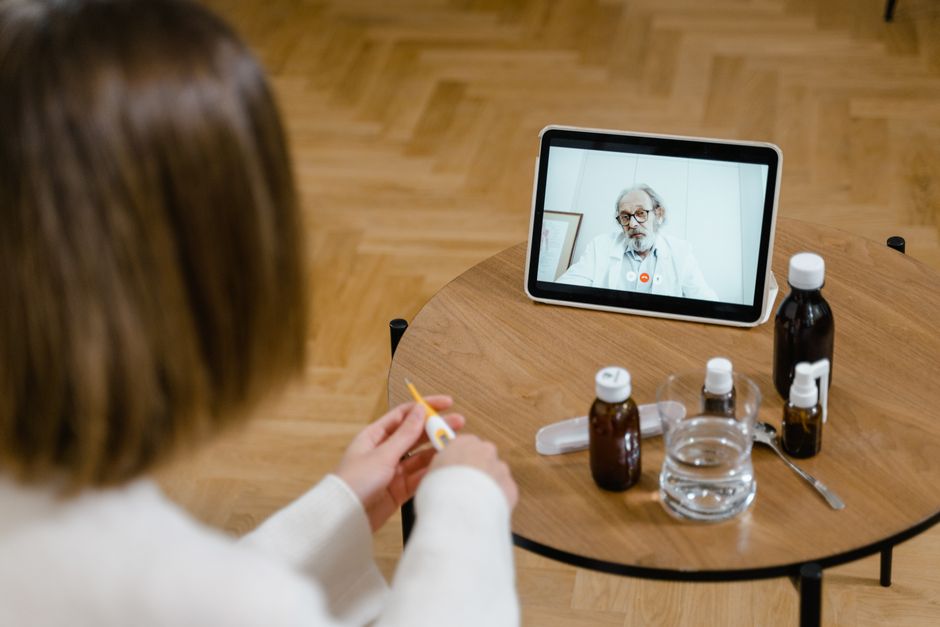
The NHS approach to prescribing is rooted in deep caution—a "tried and tested" methodology that is vital for public health but can be frustrating for individuals seeking modern, evidence-based care for conditions that have been historically overlooked. Private clinics saw this disconnect and pivoted to a digital-first model to fill the vacuum. They realized that if they could replicate the clinical rigor of an in-person consultation through a secure, virtual platform, they could bypass the inefficiencies of traditional healthcare delivery.
This has led to the current online consultation trend, where the patient experience is prioritized above all else. Instead of waiting months, patients can engage with a clinic that operates on a digital infrastructure designed for speed, clarity, and constant communication.
The Mechanics of Modern Care: Why it Feels So "Normal"
So, why does this feel so natural to us? It comes down to the technology. The friction that once existed in healthcare has been smoothed over by intuitive digital tools that feel like any other app on our phones. Two specific tools have become the backbone of this student-facing healthcare experience:

1. Online Eligibility Assessments
In the past, you had to explain your medical history to a receptionist, then a nurse, and then finally a doctor. With online eligibility assessments, that process is streamlined. These digital intake forms aren’t just surveys; they are sophisticated screening tools that determine whether a patient is a suitable candidate for a treatment path before a single minute of a doctor's time is billed. For students, this feels like an empowerment tool—it respects your time and gives you an immediate sense of direction.
2. Secure Medical Record Uploads
Nothing kills the momentum of a health journey faster than "faxing your records" or waiting for paper files to be mailed across the country. Today, secure medical record uploads allow patients to integrate their history into a clinic’s portal instantly. This security-first, cloud-based approach allows doctors to see the full picture of a patient's health immediately, leading to more accurate, personalized care without the paperwork headache.
Comparison: Traditional Healthcare vs. Digital-First
To help visualize why the student generation prefers this model, let’s look at the breakdown between the two approaches:
Feature Traditional Clinic Digital-First Healthcare Accessing Care Phone calls & physical visits Online portals & apps Records Handling Paper files/Manual transfer Secure medical record uploads Eligibility Verbal screening Online eligibility assessments Wait Times Days or weeks Hours or days Clinical Focus Broad, general practice Specialized, niche pathwaysThe Rise of Student Telehealth
When we talk about student telehealth, we aren't just talking about a video call with a doctor. We are talking about an entire ecosystem designed for the mobile-first generation. Between exams, part-time jobs, and social commitments, the old "take a half-day off for a GP appointment" model is incompatible with modern student life.
Digital-first healthcare provides a level of autonomy that students crave. Being able to access a consultant from the library, a quiet corner of a cafe, or your own room reduces the anxiety associated with seeking help. For many, the digital interface acts as a protective layer, making it easier to discuss sensitive health issues that might feel intimidating to bring up in a crowded clinic waiting room.
Looking Ahead: Is the Trend Here to Stay?
Some critics worry that digital-first healthcare might lead to a "dehumanized" medical experience. As a wellness coach, I hear this concern often. Is something lost when we lose the physical presence of a doctor? Perhaps. However, what we gain is a level of accessibility and efficiency that was previously unimaginable. The human element of care isn't about sitting in a chair in a room; it’s about the connection between the provider and the patient. If that connection can be fostered through a secure, high-quality digital screen, then we are arguably moving toward a more inclusive healthcare future.
For the student who needs to manage their health while juggling the pressures of an degree, the digital-first revolution isn't just a convenience—it’s a necessity. We aren't going back to the era of filing cabinets and long wait times. Instead, we are entering a new phase where healthcare is as accessible, responsive, and mobile as the rest of our lives. And honestly? It’s about time.
Quick Tips for Navigating Digital Health Platforms:
- Verify the Provider: Always ensure the clinic is registered with appropriate regulatory bodies (such as the CQC in the UK). Be Transparent: When completing your online eligibility assessments, provide as much detail as possible to ensure your care plan is tailored correctly. Keep Your Records Accessible: Use secure cloud storage to keep your medical history organized so you can easily complete secure medical record uploads whenever you switch or consult with new specialists. Check for Continuity: Look for platforms that offer ongoing support and follow-up consultations, not just one-off prescriptions.