If you have ever sat in a crowded GP waiting room, clutching a referral letter and worrying that the person next to you might hear your name or guess why you are there, you already know the limitations of traditional healthcare. For many patients, the idea of discussing sensitive conditions—be it sexual health, mental health, or chronic pain—via a screen feels daunting. Is it private? Who is listening? Does the data disappear into the digital ether?
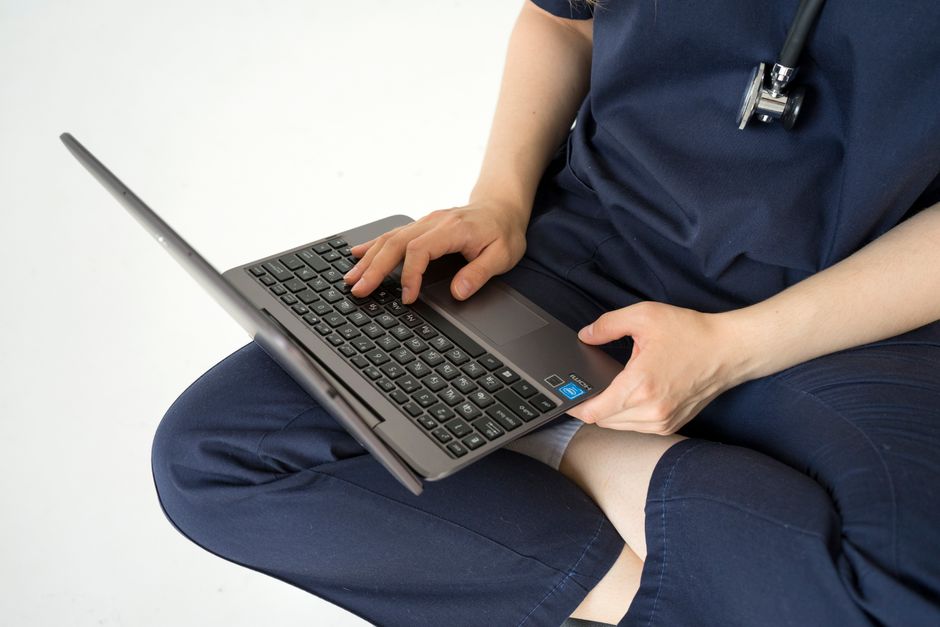
The short answer is: when done correctly, a secure video consult is often more private and secure https://erone.co.uk/how-digital-healthcare-platforms-are-changing-patient-access-across-the-uk/ than a physical appointment. However, "done correctly" is the key phrase. This post breaks down how the technology works, why it is increasingly the standard for patient care, and what you should look for before you click 'join meeting.'
The reality of privacy: What "Secure" actually means
When clinics move to virtual care, they do not simply use the same video chat software you use for a family quiz. Healthcare providers are legally required to use platforms that meet strict standards for Protected Health Information (PHI). In the US, this is primarily governed by the Health Insurance Portability and Accountability Act (HIPAA).
A secure video consult relies on a technology called End-to-End Encryption (E2EE). In simple terms, E2EE means that the data—your audio and video feed—is scrambled at your end and only decrypted when it reaches the clinician’s device. Not even the software provider can see or hear the consultation.
For a patient, this means your private discussion about a sensitive diagnosis is not being recorded, stored in a public cloud, or monitored by an algorithm. It is a closed, private digital room.
Beyond the phone: The evolution of admin
We are long past the era of waiting on hold for twenty minutes just to book an appointment. Modern clinics are shifting toward Patient Management Systems (PMS) that allow for full autonomy. This shift is not just about convenience; it is about patient agency.

When you use an online booking tool, you remove the "middleman" aspect of healthcare admin. You no longer have to explain your symptoms to a receptionist who is shouting over a busy desk. You select your time, provide your details into a secure portal, and the next person who sees that information is the clinician themselves.
This is a fundamental change in patient confidentiality. By digitizing the booking process, you create a direct, private line between you and your healthcare provider, minimizing the number of people who handle your sensitive data.
Why centralized platforms matter
You may have noticed that many clinics now ask you to log into a specific 'Patient Portal' rather than just clicking a random link. This is a positive development. A centralized portal acts as a dashboard for your health. It typically includes:
- Secure Messaging: A way to send follow-up questions without using insecure personal email. Digital Intake Forms: Where you can document symptoms before the call, ensuring you do not feel rushed during the actual consultation. Document Storage: Access to your lab results and prescriptions, so you don't have to carry physical paper files around.
These portals are built to keep all your interactions in one place, creating an audit trail of your care that is far harder to misplace than a paper folder.
What to expect: Virtual as a normal option
It is important to manage expectations. Virtual consultations are not a "revolutionary" cure-all; they are a tool. They are excellent for consultations, follow-ups, and mental health therapy. They are not intended to replace physical examinations where a doctor needs to touch or listen to your heart and lungs.
However, for 80% of routine interactions, the virtual option provides a level of flexibility that phone consultations simply cannot match. Seeing a clinician’s face helps build rapport, and for sensitive conditions, that visual connection can make a patient feel heard and validated rather than rushed.
Comparison: The three modes of healthcare
To help you decide which method works best for your needs, here is how the three most common interaction methods compare in terms of security and privacy.
Feature Phone Call In-Person Secure Video Consult Privacy Medium (Others can hear) Low (Waiting room exposure) High (Private, encrypted) Data Security Vulnerable to recording Physical files can be lost E2EE (High protection) Flexibility High Low High Admin Speed Slow (Phone queues) Slow (Check-in desks) Instant (Online booking)Checklist: Ensuring your privacy
Before you engage in a virtual consultation, take a moment to verify the environment. If you want to ensure your privacy, check the following:
The Platform: Does the clinic’s website explicitly mention HIPAA compliance or equivalent local privacy standards? If they are using standard public software (like basic consumer chat apps), ask them if they have a secure alternative. Your Environment: Privacy is a two-way street. Ensure you are in a quiet room with a stable internet connection. Use headphones if you are worried about others in your house hearing the clinician's responses. The Booking Process: If you are required to create an account, ensure you use a strong, unique password. If the portal offers Multi-Factor Authentication (MFA)—a process where you confirm your identity via a secondary device—always enable it.The bottom line
Is it safe? Yes. In fact, if you suffer from anxiety regarding your health or the stigma associated with a sensitive condition, a secure video consult can remove many of the barriers that stop people from seeking help in the first place.
The goal of these digital shifts is not to push "the future of medicine" on you, but to make the reality of healthcare today more efficient, private, and accessible. You are entitled to ask your clinic how they protect your data. If they are using a professional, centralized patient portal, you can feel confident that your health information is being handled with the security it deserves.
If you are still unsure, start with a simple question to your provider: "What platform do you use for video calls, and is the connection end-to-end encrypted?" A good clinic will be happy to explain their security measures to you—after all, your peace of mind is part of the treatment.