After twelve years of writing about health fiftiesweb.com and six years specifically dedicated to midlife wellness, I have seen every "miracle" supplement, gadget, and proprietary routine cycle through the public consciousness. I have watched trends explode on social media, reach a fever pitch, and then vanish into the bin of good intentions, leaving thousands of people feeling like they’ve failed their own bodies.
Let’s get one thing clear: you haven’t failed. You were likely sold a version of "wellness" that wasn't designed for a real life. Wellness in midlife isn’t about overhaul; it’s about calibration. If you find yourself consistently disappointed by new wellness products, the problem likely isn't your willpower—it’s your wellness expectations.
Today, we’re going to talk about how to stop falling for the hype, how to make informed decisions, and why your bank account—and your sanity—will thank you for it.
The "Bad Tuesday" Litmus Test
Whenever someone pitches me a new, complex habit or a multi-step product routine, I ask one question: "Can you do this on a bad Tuesday?"
Most wellness marketing is designed for the "Sunday Self"—the version of you who has cooked a week’s worth of kale, is well-rested, and has all the time in the world. But on a "bad Tuesday," you’re tired, you’re stressed, your inbox is a disaster, and you just want to get through the evening. If a wellness product requires six different steps, a specific temperature-controlled environment, or a strict timing schedule, it will fail on that Tuesday. And when you stop doing it, you feel a lingering sense of guilt.
Tiny changes that actually stick are the only ones that matter. If a product or habit can’t survive a chaotic work week, it isn't a wellness tool—it’s an anchor.
Where We Get It Wrong: The "Price Trap"
One of the most common mistakes people make is equating price with efficacy. We see a supplement or a piece of tech with a three-figure price tag, and our brains tell us, "This must be serious science."
In reality, the wellness industry often uses high price points as a proxy for authority. If it costs $150, surely it works better than the habit-based advice found on the NHS website (nhs.uk), which is free? This is a dangerous trap. Often, the expensive product is simply marketing budget disguised as a wellness solution.
Before you spend money on the next "breakthrough," consider this table of expectations versus reality:
Expectation Reality Price equals results Consistency equals results Complex routines are better Simple, repeatable habits are better "Miracle" ingredients fix fatigue Foundational sleep and nutrition fix fatigueNavigating the Noise: Social Media vs. Evidence
We are all guilty of "doom-scrolling" our health concerns on social sharing platforms like Facebook, X, LinkedIn, or Reddit. While these communities can be supportive, they are also echo chambers for hype. If you see a product trending on Reddit, take a breath. Ask yourself if the person recommending it is a clinical professional or just someone who likes the aesthetic of the packaging.

For midlife health, look toward resources that prioritize clarity over sales. Organizations like Fifties Web are great for finding community-driven information that cuts through the fluff. When looking for medical guidance, I always point back to the NHS website. It isn't as flashy as a wellness influencer’s Instagram feed, but it doesn't need to be. It provides the gold standard for evidence-based care.
If you are looking for specific, evidence-backed support for symptoms—perhaps around sleep or stress—companies like Releaf (releaf.co.uk) provide structured pathways that focus on clinical guidance rather than "miracle" claims. This is a much safer bet than buying a random bottle of pills from an unverified influencer ad.
Foundational Habits: The Anti-Hype Approach
If you want to stop the cycle of disappointment, stop looking for "products" and start looking for "foundations." These are the three pillars that actually move the needle in midlife.
1. Sustainable Nutrition
Stop looking for the "perfect" diet or a restrictive powder that claims to cleanse your system. Your system is your liver and kidneys—they’re already doing that. Sustainable nutrition is simply about fiber, protein, and hydration. If you can add one serving of vegetables to your dinner and drink a glass of water before your coffee, you have already outperformed 90% of the supplements on the market.
2. Consistent Low-Impact Movement
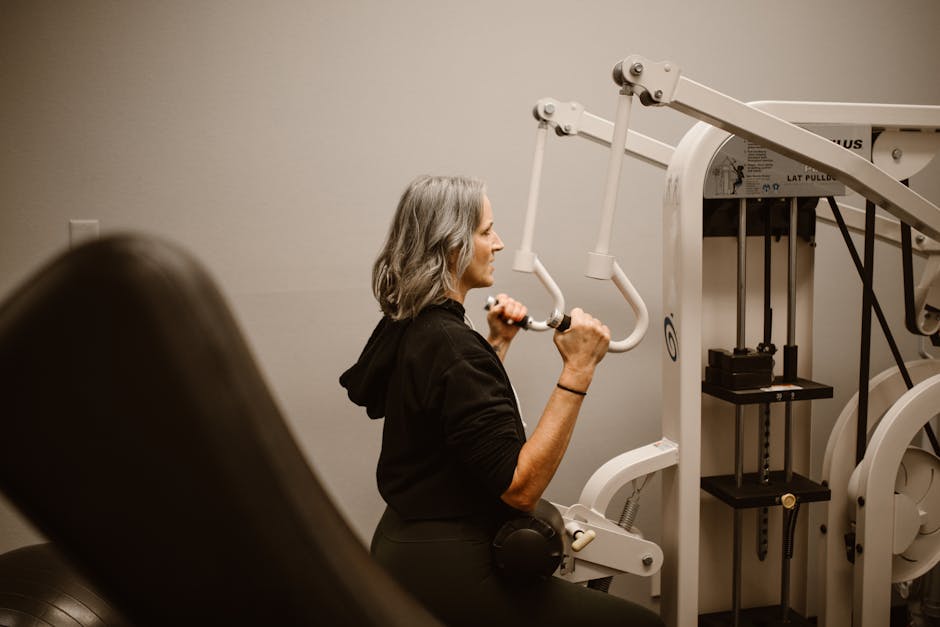
The "no pain, no gain" mentality is a relic of the past that leads to injury in midlife. If you are struggling with movement, aim for consistency over intensity. A 15-minute walk every day is better than a punishing 90-minute gym session that you only do once every two weeks. If you can’t do it on a bad Tuesday, it’s too much.
3. Sleep Hygiene and Routine
Sleep is the ultimate performance enhancer, yet we treat it like an afterthought. You don't need a $200 pillow or a $400 wearable device to sleep better. You need a cool room, a consistent wake-up time, and a way to disconnect from screens 30 minutes before bed. These habits cost nothing and have the highest return on investment.
A Checklist for Informed Decisions
Before you hit "Add to Cart" on your next wellness purchase, run it through this checklist. If it fails even one of these points, put the credit card down.
Is it a "quick fix"? If it promises to transform your health in 14 days or less, it’s a red flag. Real health takes months of small, boring, consistent actions. Is it a "miracle" product? If the website uses vague language about "optimizing your flow" or "unlocking dormant energy" without clinical studies, walk away. Does it require a huge lifestyle overhaul? If you have to buy six different products to make it work, that’s not wellness; that’s a part-time job. Have I checked the NHS website? If the condition or concern isn't mentioned or is treated with simple lifestyle advice on the NHS website (nhs.uk), do I really need this supplement? Does it work on a bad Tuesday? If the answer is no, save your money for something that brings you genuine joy, not just another item on your to-do list.Conclusion: The Best Wellness Tool is You
There is no product on the market that will care about your health more than you do. The wellness industry is built on the premise that something is "missing" from your life, and that if you just buy the right thing, you’ll finally feel "fixed."
But you aren't broken, and you don't need fixing. You are navigating a season of life that requires different tools than the ones you used at 25. That means prioritizing rest, moving your body in ways that feel good, and fueling yourself with foods that give you energy rather than taking it away.
Stop searching for the next big thing. Start looking for the small, boring habits that you can actually maintain. When you take the pressure off yourself to be perfect, you’ll find that the "wellness" you were chasing was there all along—hidden in the consistency of a simple, quiet life.