Let’s be honest: we’ve all been there. You’re standing at the school gates, clutching a cold coffee, listening to another parent talk about their "manifestation practice" or "high-vibe living," and you feel a very specific kind of internal eye-roll creeping up. It’s the cringe. It’s the feeling that the language of emotional wellbeing has been hijacked by people who don't have to worry about whether they remembered to pack the PE kit or if the internet will hold up during a work-from-home presentation.
As a parent who has spent the last nine years navigating the messy intersection of family life and the wellness industry, I get it. The jargon is exhausting. Terms like "self-actualization," "radical self-care," and "holding space" sound like they belong in a brochure for a £2,000 retreat in Bali, not in the frantic reality of a Tuesday morning in suburbia.
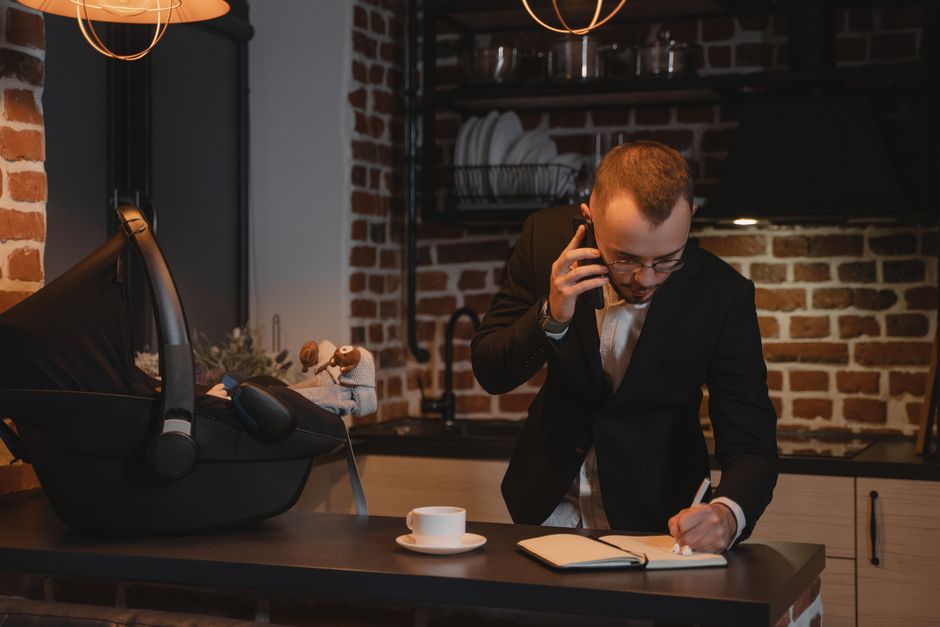
But here’s the rub: we do need to talk about our emotional wellbeing. We are currently living through a perfect storm of parent burnout, digital overstimulation, and the sheer, relentless load of modern logistics. If we don’t find a way to communicate how we’re actually doing, the "cringe" will be the least of our problems. Let’s talk about how to strip away the buzzwords and have real conversations about the stuff that actually matters.
Beyond the Gym: Why Wellness Has Moved Upstairs
For a long time, "wellness" was code for "get to the gym and eat more kale." That’s fine if you have the time and the disposable income, but it ignores the reality of the nervous system. Today, the conversation is finally shifting from physical aesthetics to emotional regulation. We are starting to realize that you can be the fittest person in the room and still be completely hollowed out by stress.
The modern parent is dealing with a unique kind of exhaustion: digital overstimulation. Between the constant pings of school WhatsApp groups, the doom-scrolling before bed, and the expectation to be "always on" for both work and family, our brains are rarely allowed to idle. When your brain is constantly in a state of high alert, your emotional wellbeing isn't just a lifestyle trend—it's a requirement for survival.
The Cringe Factor: How to Decode Mental Health Language
Part of why talking about feelings feels so awkward is that we’ve adopted the clinical language of therapists and HR departments. You don’t need to tell your partner you are "lacking the capacity to hold space for your emotional labor." That’s a one-way ticket to being asked, "What on earth are you talking about?"
Instead, try translating these concepts into human language. Here is a quick guide to keeping it real:
"Cringe" Wellness Phrase "School-Run-Friendly" Translation "I need to set a boundary." "I can’t do that right now, I’m at capacity." "I’m practicing mindfulness." "I’m trying to focus on one thing at a time for five minutes." "I’m experiencing burnout." "I’m completely fried and need to dial back the chores." "Let’s hold space for that." "I hear you. That sounds really tough."The Practical Toolkit: Telehealth and Digital Consultations
One of the biggest hurdles to improving emotional wellbeing is the time it takes to get help. Between the school run, the job, and the laundry mountain, who has time to sit in a waiting room for a GP appointment? This is where telehealth and digital consultations become game-changers, not just for physical ailments, but for mental health support.
Digital consultations have democratized access to care. If you are struggling with persistent anxiety, sleep issues, or the early signs of burnout, you don't always need a face-to-face visit to get screen time and sleep the ball rolling. Most modern health apps allow you to speak to a professional via video link, giving you a chance to offload your concerns from your car or a quiet corner of the office. It’s not "cringe" to utilize these tools; it’s being a resourceful parent who knows when the load is too heavy to carry alone.
Personalized Health Over One-Size-Fits-All
The most irritating part of modern wellness is the "miracle cure" mentality. You’ll read articles telling you that if you just wake up at 5:00 AM, drink lemon water, and write in a journal for an hour, your stress will vanish. Please. If you do that, you’ll just be a tired, hydrated, and stressed parent who is also behind on their chores.
Emotional wellbeing is inherently personal. What helps me might do absolutely nothing for you. Keeping a notes app list of "what actually helped this week" is one of the most useful habits I’ve picked up. Did a 10-minute walk without a podcast actually quiet your brain? Write it down. Did skipping the bedtime phone check help you sleep better? That’s a win. Focus on what moves the needle for *you*, not what some influencer says will "change your life."

Holistic Practices That Don’t Require a Retreat
Holistic health has a bad reputation for being expensive and elitist, but at its core, it just means looking at the whole person. When you’re feeling off, don’t just look at one area. Ask yourself these three questions:
Movement: Have I moved my body in a way that feels good, not punitive, today? (Even if it’s just stretching while the kettle boils). Nutrition: Am I actually hungry, or am I just looking for a dopamine hit because I’m stressed? Connection: Have I had a genuine conversation with someone who isn't a child or a client?
The Power of "Good Enough" Conversations
When you want to talk about how you’re feeling without sounding like a self-help podcast, honesty is your best friend. Skip the preamble. You don’t need to say, "I’ve been doing a lot of work on my inner child." You can simply say, "I’ve been feeling really frazzled lately, and I think I need to drop one thing from my to-do list."
People—even the ones who seem like they have it all together—are usually relieved when someone else drops the facade. By speaking plainly, you give others permission to do the same. It makes the conversation feel less like a therapy session and more like a collaboration.
Managing Stress and Overstimulation
If you feel like your brain is constantly buzzing, you aren't failing at wellbeing; you are likely overstimulated. We live in an era where we are constantly receiving information. Our nervous systems were not built for this level of input.
To combat this, look at your digital hygiene. It’s not about deleting all https://bizzmarkblog.com/how-telehealth-is-quietly-changing-the-game-for-busy-parents/ your apps—that’s unrealistic for most of us—but it is about auditing them. If your school WhatsApp group is triggering your anxiety, mute it. If your work emails are creeping into your dinner time, move them to a different folder. Taking control of your digital environment is a proactive step toward better emotional health.
Final Thoughts: Just Start Where You Are
The goal isn't to reach some state of zen-like perfection where you never feel stressed again. That isn't parenting. Parenting is chaotic, loud, and messy. The goal is to build a toolkit that helps you recover faster when the chaos hits.
If you’re feeling the pressure, stop looking for "miracle cures." Stop listening to influencers who promise a perfect life. Look at your own life, identify one thing that is draining you, and use a tool—whether that’s a digital consultation with a professional, a chat with a trusted friend, or simply a ten-minute walk—to create a bit of space.
Talk about how you feel, but use your own words. It won't be cringe if it's true. It will just be helpful. And in a world that asks us to be everything to everyone, being "helpful" to yourself is the most radical thing you can do.
Three Actionable Steps to Take Today:
- Download your health app: If you have access to a telehealth provider through work or your insurance, download the app today. Don’t wait for a crisis to set up your account. Start your "What Helped" list: Create a note on your phone. Every Friday, jot down one thing you did that actually made you feel slightly more human. Practice "Plain English" venting: Next time you’re overwhelmed, try saying, "I'm having a really hard time keeping up with X," instead of using therapy-speak. See how much better it feels when you don't have to perform a specific persona.