If you have ever stared at a blinking cursor in a patient portal, debating whether your question about a prescription refill or a lingering symptom warrants a message, you are not alone. There is a persistent, lingering feeling among patients that reaching out between appointments is an "interruption" of the clinician's workflow.
In my nine years working with health publishers and telehealth platforms, I’ve seen this anxiety firsthand. But here is the reality: modern healthcare is moving away from the "siloed appointment" model and toward a continuous, collaborative care journey. Secure messaging isn't an intrusion; it is a vital tool for safety, continuity, and better health outcomes. Let's talk about how to navigate these digital channels with confidence and etiquette.
The Shift: From Gatekeepers to Partners
For decades, the patient-clinician dynamic was defined by high-friction gatekeeping. You had to book an appointment, travel to a clinic, wait in a room, and hope you remembered everything you needed to ask.
Today, we are seeing a shift toward patient empowerment. With how to set medication reminders the rise of self-directed patient research, patients are arriving at appointments with more knowledge and deeper questions. This is a good thing. Secure messaging is the digital infrastructure that supports this shift. It bridges the gap between those 15-minute virtual consultations, allowing for questions that don't necessarily require an extra visit but do require professional input.
Understanding Secure Messaging Etiquette
The "bother factor" usually stems from a misunderstanding of how clinics manage digital communication. When you send a message through a proper, encrypted portal, you aren't sending an "interrupting text" to your doctor’s personal phone. You are adding a task to their clinical queue—a queue they have specifically built to manage patient concerns systematically.
To avoid feeling like a nuisance, you must lean into secure messaging etiquette. Clinicians are busy, but they are also professionals who prioritize safety. Here is how to make your request "clinician-friendly":
- Be Specific: Start with the "why." If it’s a symptom, state when it started and what you’ve already tried. Keep it One-Issue-Per-Message: Don't try to list a ten-year health history in one thread. It’s hard for a clinician to triage that effectively. The "Action" Goal: Clearly state what you need. Are you looking for advice, a follow-up test, or are you just updating them on a change in your condition? Keep it Brief: Think of it as a professional memo, not an email to a friend.
The "Two-Click" Reality Check
As a content editor, I judge every telehealth portal by the "Two-Click Rule." Can I find where to message my clinician within two clicks of logging in? Can I find my e-prescriptions or upcoming online appointment booking options without digging through five menus? If the UI is convoluted, the patient feels more anxious and less in control.
If you find that your patient portal is a nightmare to navigate, don't blame yourself for feeling frustrated. A good healthcare provider prioritizes a user-friendly interface because they know that communication barriers lead to poor patient adherence. If you can’t easily find your messages, the system is failing you, not the other way around.
Setting Expectations: Response Times and Digital Boundaries
One of the biggest sources of patient anxiety is the "black hole" effect: sending a message and having no idea when—or if—it will be read. This is why patient communication expectations must be set early.
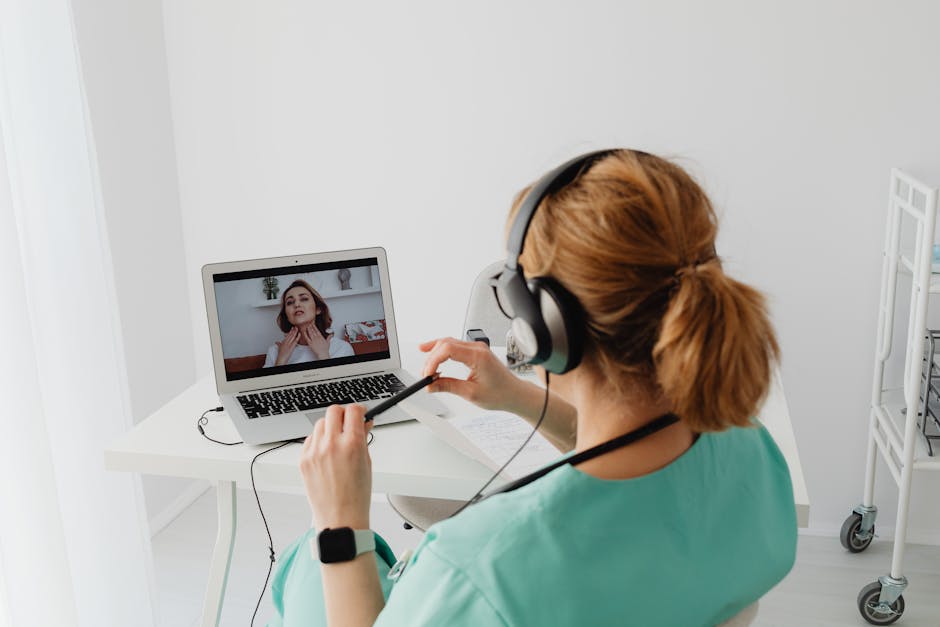
Most reputable telehealth providers have a standard policy regarding response times. Usually, this falls between 24 and 48 business hours. If your portal does not clearly state their response policy, that is a red flag regarding their governance standards. You deserve to know the "next steps" after hitting send. Do you get an automated confirmation? Will a nurse triage it first? Understanding the workflow removes the guesswork.

When to use messaging vs. when to book a consultation
Topic Use Secure Messaging Book a Virtual Consultation Medication clarification Yes No New, concerning symptoms No Yes Clarifying test results Yes Sometimes Complex emotional/lifestyle issues No YesBeware the "AI-Powered" Fluff
You will often see health apps promising "AI-powered communication" or "instant analysis." As someone who audits these platforms, I urge you to look past these claims. If a company cannot clearly explain how an e-prescription is processed or exactly who is reading your secure message, that is not "digital transformation"—it is just marketing jargon. Always prefer platforms that emphasize human-led clinical governance over "black box" algorithms.
A Template for Your Next Message
If you're still feeling anxious about "bothering" them, use this template. It’s clear, respectful, and provides the clinician with exactly what they need to help you efficiently:
"Hi Dr. [Name], I am checking in regarding [Specific Condition/Medication]. I am currently experiencing [Symptoms or Side Effects] and have tried [Action Taken]. Based on this, could you advise if I should continue with the current plan or if we should schedule a brief follow-up? Thank you for your guidance."
Final Thoughts: You are a Stakeholder in Your Health
The feeling of being a "bother" is a remnant of a healthcare model that treated patients as passive recipients of care. We are now in the age of the informed, proactive patient.
Using the portal to message your Helpful site clinician is a hallmark of good health management. It shows that you are monitoring your progress, following your care plan, and advocating for yourself. As long as you respect the platform's guidelines—keeping messages concise, avoiding emergency-level questions on non-urgent channels, and understanding their response-time policies—you are doing exactly what you should be doing.
If you find that your provider's digital tools feel like a barrier rather than a bridge, remember: you have the right to seamless communication. If the portal is clunky or the response times are non-existent, don't let it dampen your communication—but do consider whether that provider is truly set up to support a modern, digitally-connected patient.