When it comes to home design, most people think about aesthetics, comfort, or cost—but one major factor often overlooked is health and safety. Specifically, safe floor transitions can quietly make or break your home's overall safety, especially in humid climates like Singapore.
I’ve spent 11 years as a site coordinator translating contractor speak into clear, practical advice for homeowners. One recurring issue I notice everywhere is uneven floor lips and slippery edges that cause trips and accidents. These https://smoothdecorator.com/step-free-transitions-in-a-home-are-they-worth-it/ are not just nuisances—they’re health risks.
Why Home Design Is a Health Driver
Home design decisions affect more than just how your rooms look. They impact hygiene, mould growth, indoor air quality, and injury prevention. In humid regions, ignoring these factors can mean endless problems with mould and moisture, or unsafe surfaces that lead to falls.
Want to avoid trips and falls? Start with understanding how your floor transitions contribute to safety. Even small differences in floor height or slippery edges can lead to accidents, especially for children, elderly family members, or anyone who might have balance issues.
What Is a Safe Floor Transition?
A safe floor transition creates a smooth, low-profile join between two different flooring surfaces or levels that:
- Minimizes height differences (lip height should ideally be less than 5mm) Offers consistent traction to prevent slips Has clear visual or tactile cues if levels change more than 5mm Is moisture-resistant to avoid degradation and maintain grip Fits within your home's overall ventilation and airflow plan to avoid mould buildup nearby
Common Floor Transition Problems That Cause Trips
Problem Cause Why It's Risky Uneven floor lips Different flooring thicknesses or poor installation Feet catch on ledges, causing trips and sprains Slippery edges Glossy tiles, polished stone, or worn transition strips Loss of traction, especially when wet Loose or broken transition strips Poor fastening or wear and tear Unexpected gaps or edges to trip over Sharp drop-offs or unexpected level changes Not enough warning or visual contrast Sudden missteps cause fallsMaterials for Hygiene and Moisture Resistance
In humid environments, moisture management is crucial—otherwise, mould can take root near floor edges and transitions where water often collects. Selecting the right materials for floor transitions plays a key role in hygiene and moisture resistance.
- Vinyl or rubber transition strips: These offer good slip resistance and flexibility, sealing the gap between two floors. Metal trims (aluminium or bronze): Durable but can become slippery if polished—choose those with textured surfaces. Water-resistant wood or engineered wood: Good for aesthetics but needs professional sealing and moisture barrier underlayments. Ceramic or porcelain tiles with textured finishes: Prevent slipping through surface friction, especially near wet areas.
Always ask your contractor or interior designer about moisture barriers and sealants at floor transitions to stop water seepage. This improves hygiene by preventing dampness and mould.
Ventilation and Airflow Planning in Humid Homes
Even the best floor detailing won’t protect your home from mould if airflow is poor. When designing or renovating, consider:
Open floor plans with cross ventilation: Helps air move freely, drying surfaces quickly. Strategic placement of exhaust fans: Especially in wet areas like bathrooms, kitchens, and laundry spaces near floor transitions. Installation of trickle vents or windows with adjustable louvers: Improves fresh air exchange without sacrificing security. Regular maintenance of HVAC systems and fans: Ensures effective removal of moisture-laden air.Combined with properly sealed floor transitions, good ventilation dramatically lowers the risk of dampness and mould.
Mould Prevention Through Layout and Detailing
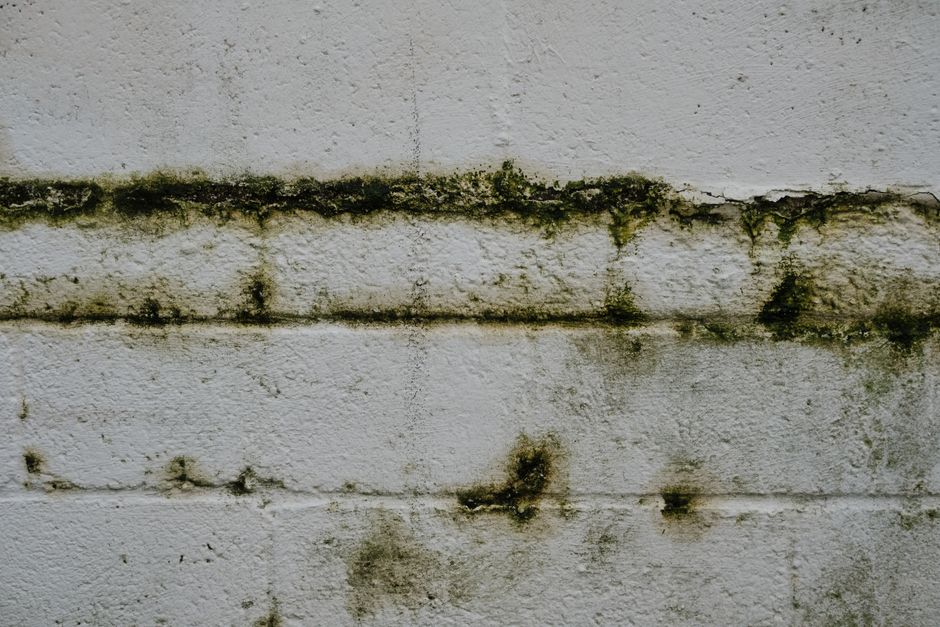
Mould loves to grow in hidden corners and damp floor joints. Avoid these mould traps by paying close attention to your floor transition design and detailing:
- Avoid recessed floor joints: Gaps where water can pool or dirt can accumulate are mould hotspots. Use continuous threshold strips: Prevent water migration from wetter rooms to drier spaces. Ensure smooth, flush transitions where possible: Eliminates dirt catch points and makes cleaning easier. Seal joints with mould-resistant silicone or sealant: Prevents water ingress and stops mould colonisation. Create gentle slopes where floor level changes occur: Helps drainage and prevents standing water.
Don’t fall for the empty advice of “just choose quality materials.” Quality means nothing if moisture or mould threats remain unchecked. Focus on how your floor transition detailing adapts to humidity and cleanliness.
Summary: What You Should Avoid in Floor Transitions
To keep your home safe and healthy, avoid these common mistakes:
- High lips or uneven height differences: Anything above 5mm needs visual cues or ramps to reduce trip risk. Slick or polished transition strips without grip: Prioritise texture over shine. Loose or poorly fixed transitions: Regularly inspect and maintain all joint trims. Ignoring moisture and ventilation: Seal gaps, improve airflow, and plan drainage carefully. Neglecting mould-resistant detailing: Seal joints and avoid dirt traps.
These may seem like small details, but the health payoff is huge. Every trip avoided is one less injury, and best fall prevention upgrades every mould spot prevented is a win for your home’s air quality.

Stay Connected & Learn More
If you want regular tips and detailed advice on creating safe, healthy homes in humid climates, follow me on Facebook (YourHealthDMV). For professional networking, project insights, and collaborations, visit my LinkedIn profile under the "Stay Connected" section.
Remember: safe floor transitions are more than aesthetics—they're a cornerstone of your home's health and safety. Don’t leave it to chance.
```